US import duties on cabinet handles and kitchen baskets from India (November 2026)
How Section 232 and Section 301 duties stack on aluminium handles, profiles and steel kitchen baskets from India, and why classification decides the total.
Trustyle team · Updated 18 November 2026
US duties on metal hardware changed repeatedly in 2026. For importers of cabinet hardware from India, the total duty now depends far more on how a product is classified than on the base duty rate. This guide summarises our reading of the position as of 18 November 2026.
The layers that apply
- Normal (MFN) duty for each tariff line.
- Section 232 duties on steel and aluminium and their derivative products. From 8 June 2026, Proclamation 11032 lists aluminium bars, rods and profiles at 50% and a set of steel and aluminium derivatives, including cabinet fittings, at 25%, on the full customs value.
- Section 301: a 10% duty on goods of Indian origin from 24 July 2026, which does not apply to goods already subject to Section 232.
How classification changes the total
The figures below are indicative combined rates published by trade advisers and summarised in our research. They are not a ruling.
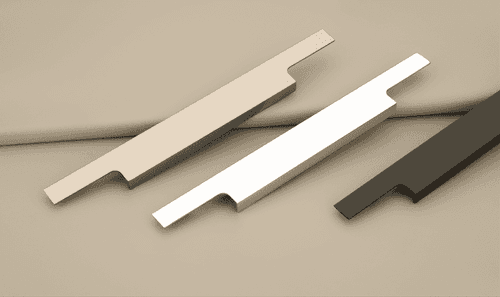
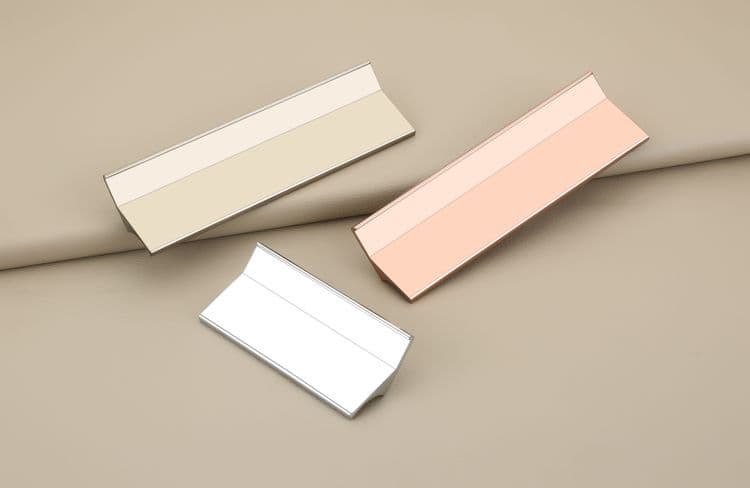
- Finished cabinet handle, cut to length and drilled (commonly 8302.42.30): about 3.9% plus 25% Section 232, roughly 28.9%.
- Aluminium profile in long lengths (commonly 7604.29.10): about 5% plus 50% Section 232, roughly 55%.
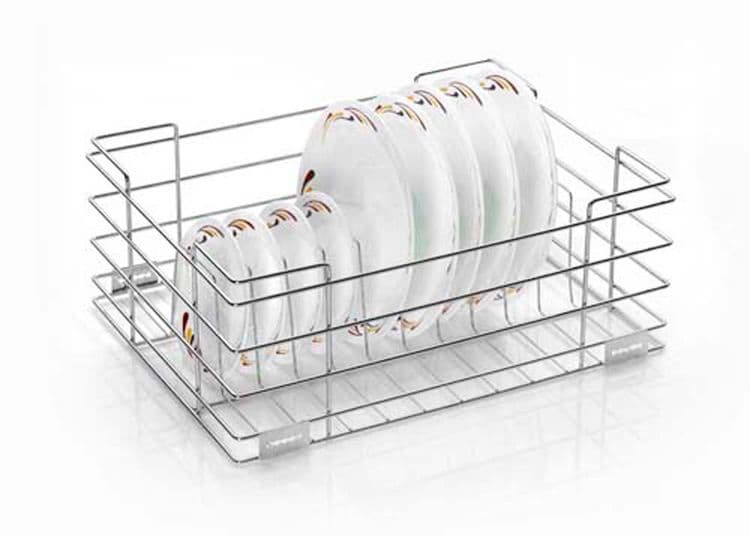
- Stainless steel household basket (commonly 7323.93.00): about 2% plus 25%, roughly 27%.
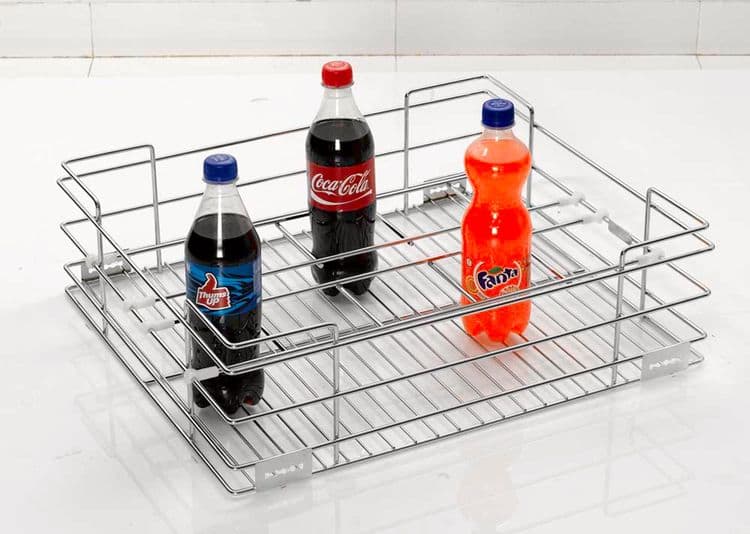
- Pull-out unit classed as a furniture part: depending on the statistical suffix, either about 10% (Section 301 only) or about 25% (Section 232).
The gap between a finished handle and a profile bar shows why the form in which you buy matters. For pull-out systems, the statistical suffix decides between 10% and 25%, so we recommend a CBP binding ruling before the first container.
Anti-dumping: India vs China
The US Commerce Department investigated aluminium extrusions from India in 2024, but the US International Trade Commission's final determination was negative, so no anti-dumping or countervailing duty order applies to Indian aluminium extrusions. Chinese aluminium extrusions remain subject to long-standing orders.
Origin marking and supply chain evidence
- Mark goods "Made in India" on the article where practical, or on the retail container that reaches the end buyer, under 19 CFR Part 134.
- Aluminium and steel are priority sectors for Uyghur Forced Labor Prevention Act enforcement. Importers should hold evidence of where the metal was smelted.
- California Proposition 65 may require warnings for some plated finishes. Discuss testing with us for retail programmes.
Pending changes
A US–India trade agreement was under discussion in November 2026 and could change the Section 301 layer. Check the current HTS and any new proclamations before you order.
Duty rates and rules change. Everything here reflects our reading of public sources as of November 2026 and is not legal or customs advice. Confirm the classification of each product with your customs broker or a binding tariff ruling before you order.
Frequently asked questions
Do Indian aluminium extrusions face US anti-dumping duty?
- No. The 2024 investigation ended with a negative ITC determination, so no AD/CVD order applies to aluminium extrusions from India.
Why is a finished handle cheaper to import than a profile bar?
- Finished, drilled handles are commonly classified as furniture fittings at a 25% Section 232 rate, while profiles in lengths fall under the 50% aluminium rate.