Importing kitchen hardware from India: classification, duty and documents
What importers in Germany, the UK, the USA and Canada should settle before ordering aluminium handles and steel kitchen baskets from an Indian manufacturer.
Trustyle team · Updated 18 November 2026
Buying cabinet handles, wire baskets and pull-outs from India is straightforward once three things are settled: how each product is classified, which trade terms you buy on, and which documents travel with the goods. This guide sets out the questions to answer with your broker. It reflects public sources as of November 2026.
Classification decides the duty
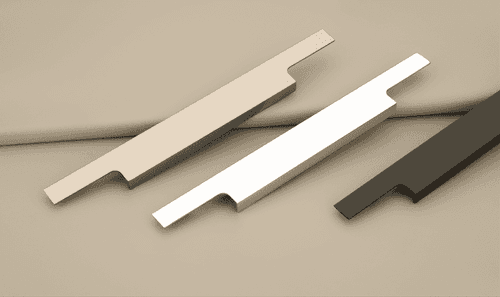
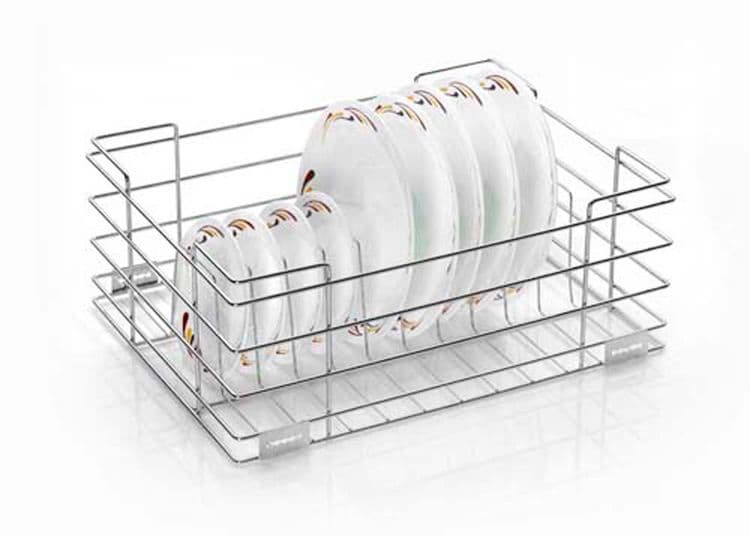
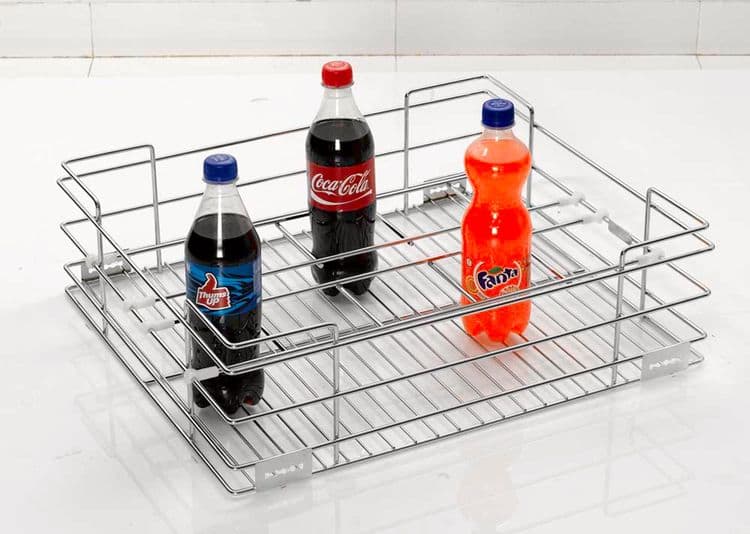
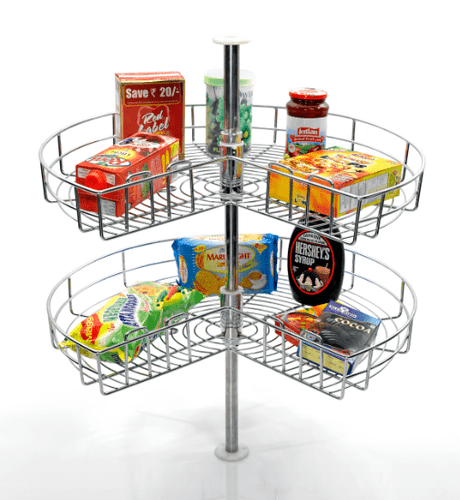
The same aluminium handle can be classified in different ways depending on its form. A finished, cut-to-length, drilled handle is usually treated as a furniture fitting (heading 8302). A profile sold in long lengths for the buyer to cut is usually treated as an aluminium profile (heading 7604). Stainless steel kitchen baskets are often classified as household articles (heading 7323), and pull-out units sold with their runners are sometimes treated as furniture parts (heading 9403).
These differences matter. In the United States in November 2026, for example, the duty on a finished handle and on a raw profile bar differs by more than 25 percentage points. In the EU and the UK the gap is smaller but still real.
- Ask your broker for a classification opinion for each product family before your first order.
- For large or repeat programmes, apply for a binding ruling: a vZTA in Germany, an Advance Tariff Ruling in the UK, a CBP binding ruling in the USA, or a CBSA advance ruling in Canada.
- Describe every line on the invoice precisely: base material (aluminium, stainless steel, mild steel), finish, dimensions and intended use.
Material matters as much as product type
Our catalogue lists the base material of every product. All of our cabinet handles are aluminium. Most of our baskets and accessories are stainless steel with a chrome-plated (CP) finish, while a few pull-outs are mild steel (MS), and the anti-slip mat and tandem cutlery tray are PVC. Stainless and non-stainless steel articles can fall under different tariff lines, so the material on the invoice must match the product.
Trade terms: who is the importer?
Most importers buy on FOB (free on board, Indian port) or CIF terms. On these terms you, the buyer, are the importer of record: you clear customs, pay duty and import VAT or GST, and take on the importer's obligations under product-safety and packaging law in your country. Delivered terms (DDP) move those obligations to the seller and need registrations in the destination country, so agree them only when both sides have confirmed what is required.
Proof of origin
Preferential duty needs proof that the goods originate in India under the relevant agreement. The India–UK Comprehensive Economic and Trade Agreement entered into force on 15 July 2026; the EU–India agreement was concluded in January 2026 but was not yet in force in November 2026; Canada and the USA had no agreement with India in force. Where a preference applies, agree with us in advance which origin document your broker needs.
Documents to expect
- Commercial invoice with full product descriptions, materials, quantities, unit prices, currency and Incoterm
- Packing list with carton counts, weights and dimensions
- Bill of lading or air waybill
- Certificate or statement of origin where a preference or your broker requires it
- Product information your market expects, such as material declarations or test reports, agreed before production
Next step
Tell us your market, the products you are considering and your expected volumes. We will send specifications and pricing so your broker can confirm classification before you commit.
Duty rates and rules change. Everything here reflects our reading of public sources as of November 2026 and is not legal or customs advice. Confirm the classification of each product with your customs broker or a binding tariff ruling before you order.
Frequently asked questions
Does Trustyle export outside India?
- Yes. We manufacture in Rajkot, India, and supply importers, distributors and kitchen manufacturers abroad.
Which Incoterms do importers usually use?
- Most importers buy FOB (Indian port) or CIF. On these terms the buyer is the importer of record in the destination country.
Can you tell me the exact HS code for each product?
- Classification is decided by the customs authority in your country. We provide full material and dimension details so your broker can classify each product, and we recommend a binding ruling for large programmes.